
creative economy: algorithmic walled gardens v/s v4v Nostr - path forward for budding creators
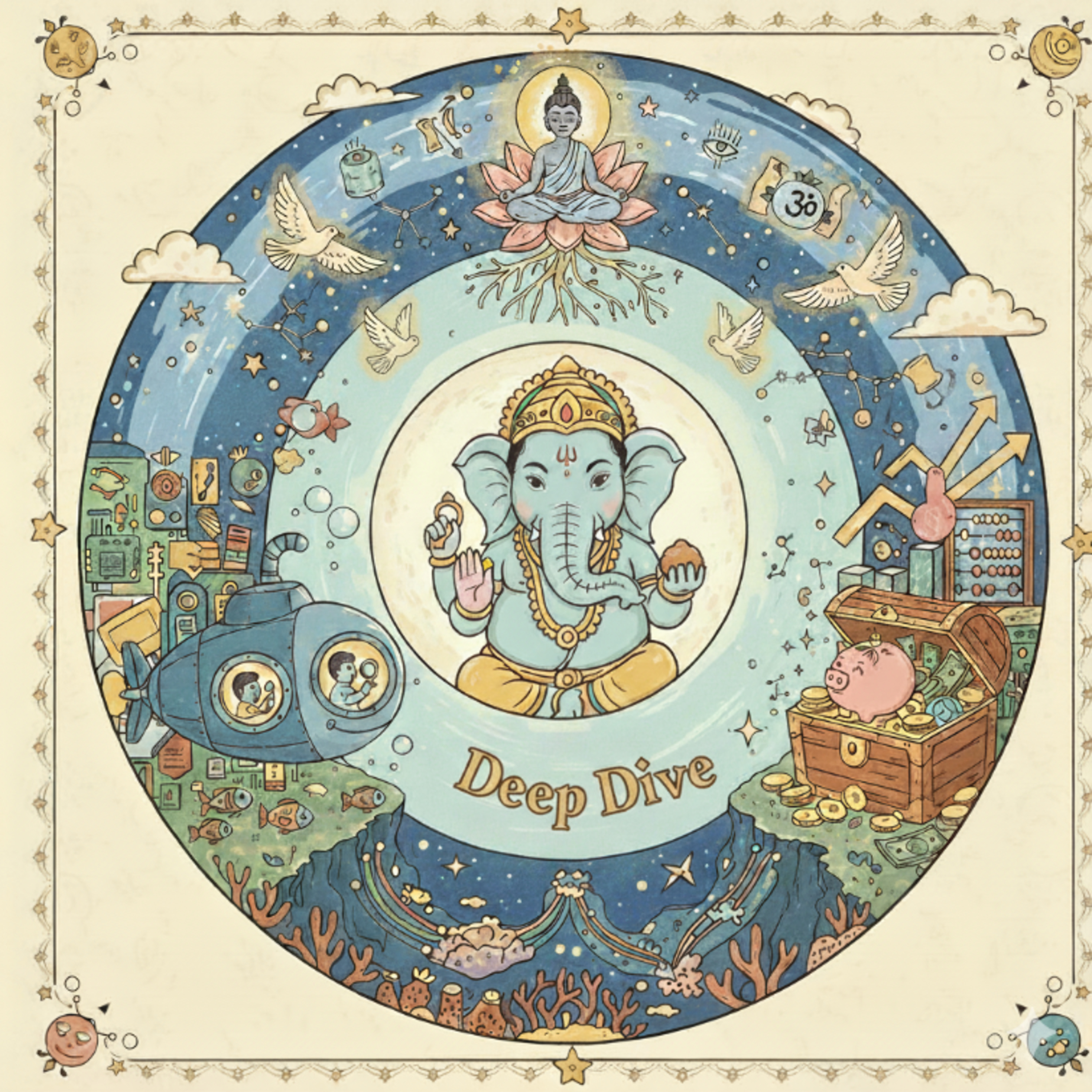 Deep Dive with Gemini
EpisodeOct 24, 20256m
https://g.co/gemini/share/175c6a4a8af8The contemporary creator economy, a multi-billion-dollar industry built on the content and communities of millions of individuals, is dominated by a handful of centralized platforms. These platforms—YouTube, TikTok, Instagram, and Spotify—operate on a model of "attention monetization," where sophisticated algorithms curate user feeds to maximize engagement, which is then sold to advertisers. This system has enabled unprecedented scale and has distributed vast sums of money, yet it simultaneously concentrates reach and revenue among a small elite of top-tier creators. The very architecture of these "walled gardens" creates high barriers to entry and leaves the vast majority of emerging and niche creators structurally disadvantaged.This report will conduct a strategic analysis of this dominant model, deconstructing the complex eligibility metrics and economic realities that govern creator monetization on these incumbent platforms. It will then contrast this paradigm with Nostr, a decentralized, open protocol built on a fundamentally different "value-for-value" philosophy. The analysis will evaluate whether Nostr, despite its nascent stage and inherent challenges, presents a more viable and sustainable model for the long tail of creators who are systematically marginalized by the algorithmic economy.The report is structured to provide a comprehensive, evidence-based comparison. Section 1 will dissect the intricate monetization frameworks of YouTube, TikTok, Instagram, and Spotify, revealing the strategic purpose behind their qualification thresholds. Section 2 will analyze the economic outcomes of this system, quantifying the immense total payouts and exposing the power-law distribution that defines creator earnings. Section 3 will offer a deep dive into the technical and philosophical architecture of the Nostr protocol, explaining its components and its unique monetization mechanism via Bitcoin Lightning "zaps." Finally, Section 4 will provide a strategic assessment, weighing the trade-offs between the two paradigms and offering a concluding recommendation for small and emerging creators navigating this bifurcated digital landscape.
See moreTop comments