
General theory of intelligence - bridging G factor and MI theory
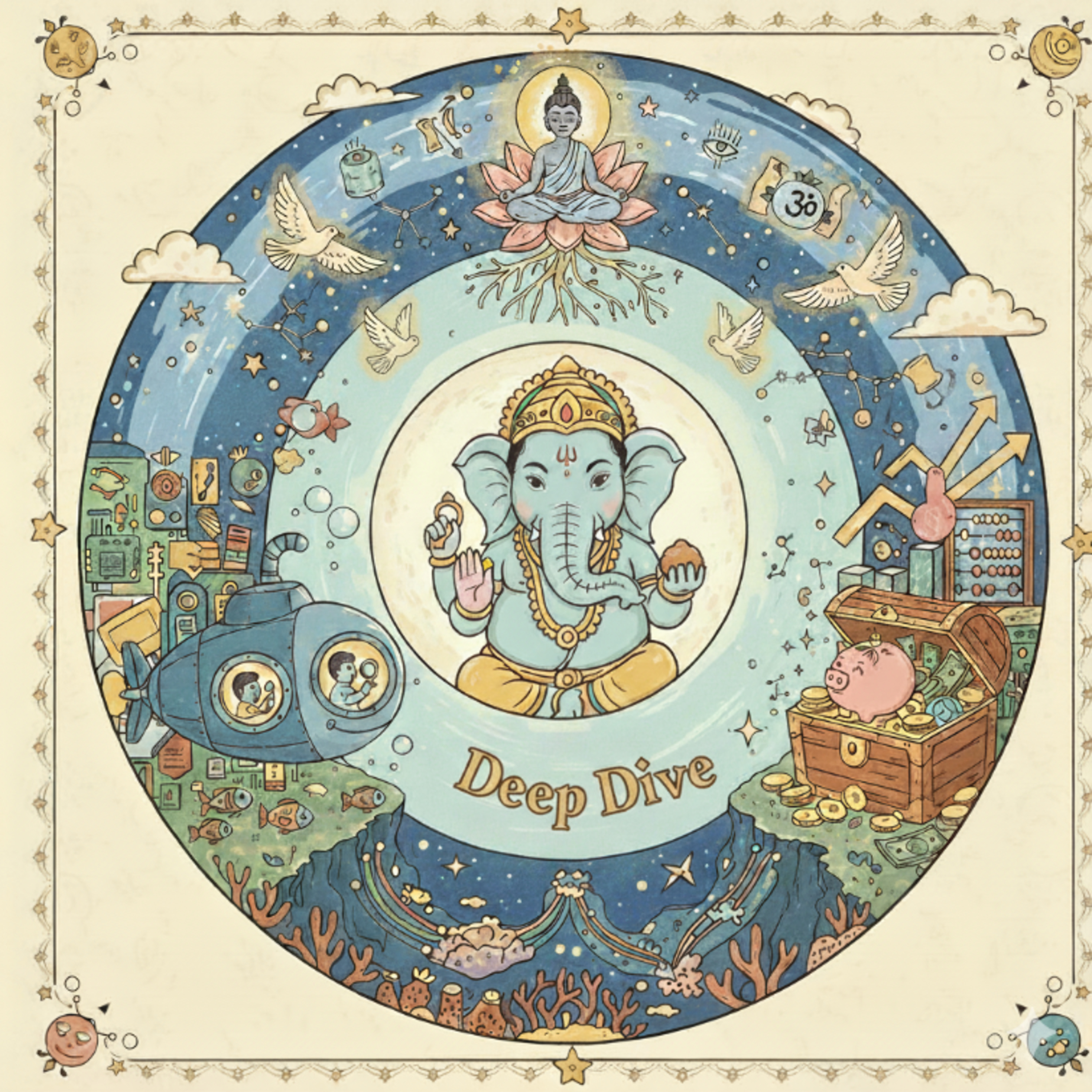 Deep Dive with Gemini
EpisodeOct 26, 202538m
https://gemini.google.com/share/c40af4792924General theory of Intelligence posits that multi-modality is a pendulum swing from decentralized swarms of species to centralized Large Language Models .. and back ..The concept of intelligence, while central to psychology and computer science, remains notoriously difficult to define. Traditional models often focus on either a single measure of general cognitive ability or a collection of distinct human talents. This report proposes an alternative, foundational framework: a five-tiered hierarchy of intelligence based on sensory modalities. This model posits that intelligence is not a monolithic entity but a structured progression of information processing capabilities, ordered by increasing levels of abstraction. The hierarchy, in descending order of abstraction, is: Textual (Symbolic), Auditory, Visual, Smell/Taste (Chemoreceptive), and Touch (Mechanoreceptive). This ordering is not arbitrary; it reflects a fundamental gradient from the direct, high-bandwidth data of physical interaction to the highly compressed, symbolic representations of abstract thought. We will define these five intelligences and justify their hierarchical arrangement by examining the nature of the information they process, their computational and neurological underpinnings, and their place on the spectrum from concrete reality to abstract conceptualization.This symmetrical model has profound implications for the pursuit of Artificial General Intelligence (AGI). It strongly suggests that AGI will not be achieved merely by scaling up current LLMs, which represent mastery of only the highest, most abstract level of intelligence. Such systems, for all their linguistic prowess, remain ungrounded—their "understanding" is a reflection of statistical patterns in text, not a model built from experience. The theory of general intelligence predicts that the path to AGI requires the completion of AI's descent. The next major breakthroughs will likely arise from the robust integration of language, vision, and auditory models—the field of multi-modal AI. However, the ultimate prize, a truly general intelligence, will only be realized when these integrated perceptual models are fully embodied in robotic systems that can learn from direct, tactile interaction with the physical world. This aligns perfectly with the core tenets of Embodied Cognition: that genuine intelligence and understanding are inseparable from physical experience. The current challenges in robotics and tactile sensing are therefore not a niche, peripheral problem for the field of AI. They are the central, defining obstacle. For an AI's understanding to become analogous to a human's, it must complete its journey down the hierarchy. It must acquire its own "sensory experience" to have something meaningful to talk about. The great pendulum swing of intelligence, which began in the abstract realm of logic, must find its resting point in the concrete reality of the physical world.
See moreTop comments